

Anterior Cruciate Ligament (ACL) Injury
As an injury that is commonly found in those who participate in high-intensity sports like basketball,…
Read MorePerformed the first-ever hip revision using Mako Total Hip 5.0 technology.
Performed first advanced spine surgery with Stryker Q Guidance with CoPilot AI in California for faster procedures and recovery.
Recover at home after Hip or Knee surgery rather than skilled nursing facility (National Average: 66%).
Whether your discomfort stems from a sudden injury, everyday wear or an active lifestyle, MemorialCare Orthopedic & Spine Institute delivers specialized programs designed to restore your mobility and relieve your pain.
Whether you need targeted pain relief or advanced surgery, we have you covered. We offer non-surgical treatments — including physical therapy, interventional care and ergonomic and posture coaching. When surgery is needed, our orthopedic surgeons and neurosurgeons leverage advanced robotic and navigation technology.
Learn MoreRanked among the nation’s top 10 percent, we utilize advanced Mako® Robotic-Arm Assisted Surgery to deliver precise hip, knee, shoulder and ankle replacements. This pioneering program focuses on faster recovery times, allowing most patients to return home in under two days.
Learn MoreWe help athletes and active individuals of all ages recover from injuries and get back to the activities they love. Our sports medicine specialists diagnose, treat, and help prevent musculoskeletal injuries with both non-surgical and surgical care options. Treatment may include rehabilitation, injury-prevention guidance, image-guided procedures, orthobiologic therapies such as platelet-rich plasma (PRP), and surgery when needed, with coordinated access to orthopedic specialists throughout the MemorialCare Orthopedic & Spine Institute.
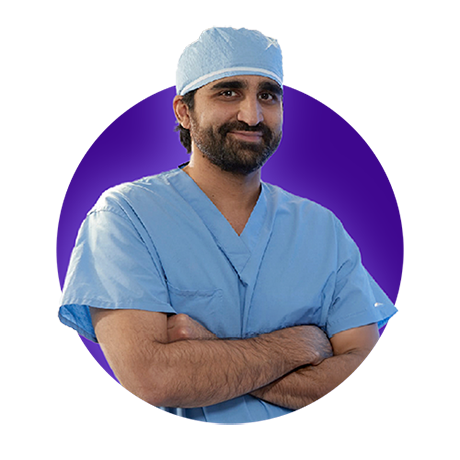
“Technology has changed our world drastically, including spine surgery. Our commitment to advanced technology and innovation ensures every patient receives precise spine care.”
As an injury that is commonly found in those who participate in high-intensity sports like basketball,…
Read MoreAnkle injuries can set the stage for osteoarthritis to develop. One of the best ways to alleviate the pain…
Read MoreArthritis is painful inflammation and stiffness of the joints. It is estimated that approximately 50 million…
Read MoreHip replacement surgery is an effective procedure to help those who suffer from the aches and pains of joint…
Read MoreIn the United States the number of hip fracture injuries has reached approximately 300,000 a year. As a…
Read MoreSevere knee pain is an ailment that many Americans endure. One of the most effective ways to correct the…
Read MoreThe knee joint is made up of bone, cartilage, ligaments and fluid. Muscles and tendons help the knee joint…
Read MoreMemorialCare offers Mako® Partial Knee — an innovative treatment option designed to relieve the pain caused…
Read MoreOsteoporosis is a process that develops within the bones and makes them fragile and more likely to fracture…
Read MoreIf you are suffering with degenerative hip disease (DJD), Mako™ Robotic-Arm Assisted Surgery may be a good…
Read MoreIf you are living with mid to late-stage osteoarthritis (OA) of the knee, Mako™ Robotic-Arm Assisted Surgery…
Read MoreRevision joint replacement surgery is a joint replacement surgery that needs to be redone, commonly because…
Read MoreWhen nonsurgical methods of treatment like medication and activity changes no longer relieve joint shoulder…
Read More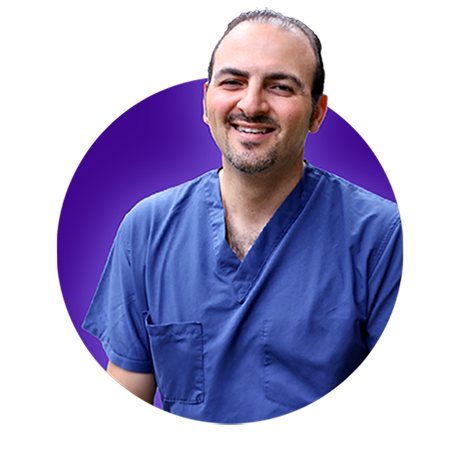
“Milestones like performing the world’s first robotic hip revision using the Mako Total Hip with 5.0 software underscore our dedication to improved outcomes and faster recovery.”
Our physicians combine deep experience with advanced technology to deliver high-quality orthopedic and spine care. As early adopters of innovative techniques, they bring you the latest treatment options with a focus on better outcomes and faster recovery.
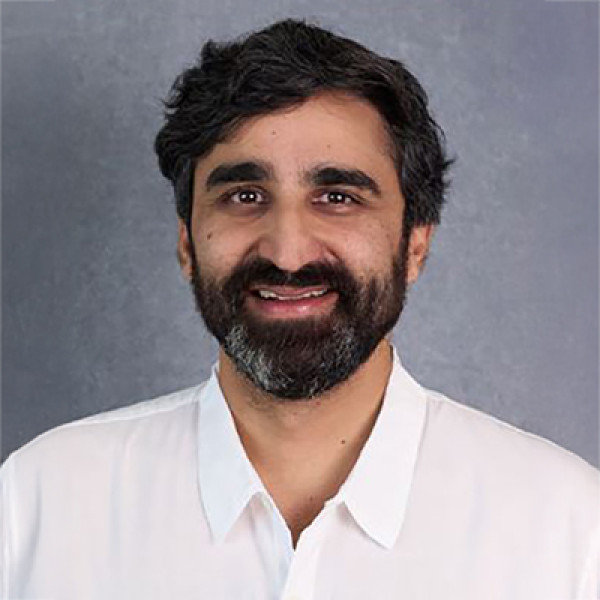
Amandeep Bhalla, M.D. is a board-certified, fellowship-trained orthopaedic spine surgeon who specializes in spinal and neck injuries, disorders…
Learn More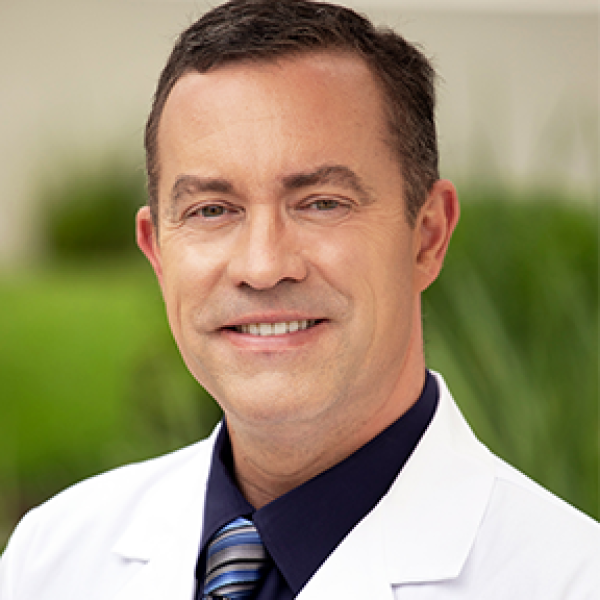
Devin K. Binder, MD, PhD is a distinguished board-certified and fellowship-trained neurosurgeon and neuroscientist specializing in the treatment…
Learn More
Timothy W. Gibson, M.D., is a board certified orthopedic surgeon at Orange Coast Medical Center. He has expertise in all aspects of arthritis…
Learn More
Andrew Hanna, D.O., is a fellowship-trained, double board-certified pain medicine and physical medicine & rehabilitation (PM&R)…
Learn More
Jason Koh, DO, a board-certified physiatrist, is the medical director of the MemorialCare Rehabilitation Institute at MemorialCare Long…
Learn More
Andrew J. Wassef, M.D., is a fellowship trained, board-certified orthopedic surgeon with Long Beach – Lakewood Orthopedic Institute in Long…
Learn MoreIt may be time to take the next step. Take one of our quick back, hip or knee pain assessments to see if you may benefit from non-surgical treatment or advanced surgical care.

The programs and services provided by the MemorialCare Orthopedic & Spine Institute are located at our hospitals, ambulatory surgical centers, and health centers
Orthopedic and spine care can feel overwhelming. Here are common questions about treatment options, surgery, and recovery. If you need more help, call us at (562) 933-4014.
Referral and authorization requirements for orthopedic care and spine specialists vary by insurance plan. If you’re unsure, check with your insurance provider.
Our team can help coordinate referrals and approvals for your orthopedic or spine treatment.
In many cases, surgery is not the first step. At the MemorialCare Orthopedic & Spine Institute, we take a step-by-step approach to orthopedic and spine care and recommend non-surgical treatment whenever possible.
Depending on your condition, non-surgical options may include physical therapy and rehabilitation, pain-relief medications, image-guided injections, and activity or lifestyle changes. These treatments can often help reduce pain, improve movement and function, and help you avoid or delay surgery.
Our specialists also work closely with your primary care doctor to determine the right timing for care. Surgery may be considered if non-surgical treatments are not effective or if there are clear medical reasons, such as nerve compression, worsening symptoms, or loss of function. If surgery is needed, we make sure you are fully prepared for the best possible outcome.
Advanced technology can help improve the accuracy, personalization and consistency of orthopedic and spine surgery — especially for complex procedures.
At MemorialCare, tools like Mako® robotic-assisted surgery, 3D imaging and AI-supported spine navigation help surgeons create detailed plans based on your unique anatomy before surgery and provide added guidance during the procedure. This supports a more personalized approach to care, rather than a one-size-fits-all plan.
These technologies can help surgeons place implants more precisely during joint replacement surgery, improve alignment, reduce impact on healthy surrounding tissue and support better long-term joint function and spine stability. In some cases, they may also help reduce complications and support a faster recovery.
Recovery after joint or spine surgery is different for every patient and depends on the type of procedure, your overall health and your recovery goals. Many patients begin walking and performing light activities shortly after surgery, especially after minimally invasive procedures that may reduce tissue damage and support faster healing.
In general, you can expect:
More complex procedures, such as spinal fusion or revision joint surgery, typically require a longer recovery period and may involve temporary restrictions on lifting, bending, twisting or other activities while the body heals.
Your care team will create a personalized recovery and rehabilitation plan to help you safely rebuild strength, improve mobility and return to the activities that matter most to you.
You may need DME for a short time after surgery to help you recover more safely at home. Depending on your procedure, this may include:
Your care team will recommend the equipment that best fits your procedure, mobility level and home environment.
In many cases, choosing not to have surgery is safe—especially if symptoms are mild.
Non-surgical treatments for orthopedic conditions and spine problems can help reduce pain and improve movement. However, if the condition worsens over time, you may experience:
We’ll help you understand all your treatment options so you can make the best decision for your health and lifestyle.
All surgeries carry some risk, but modern techniques and careful planning help reduce complications.
At MemorialCare, we focus on safety at every stage of orthopedic and spine surgery. Advanced tools, such as robotic guidance, improve precision and consistency.
Risks vary by procedure but may include:
Your surgeon will explain your specific risks and how we work to reduce them.
 EVENT
EVENT
If you are scheduled for a Knee or Hip Replacement here at Saddleback Medical Center, you can expect a unique…
Read More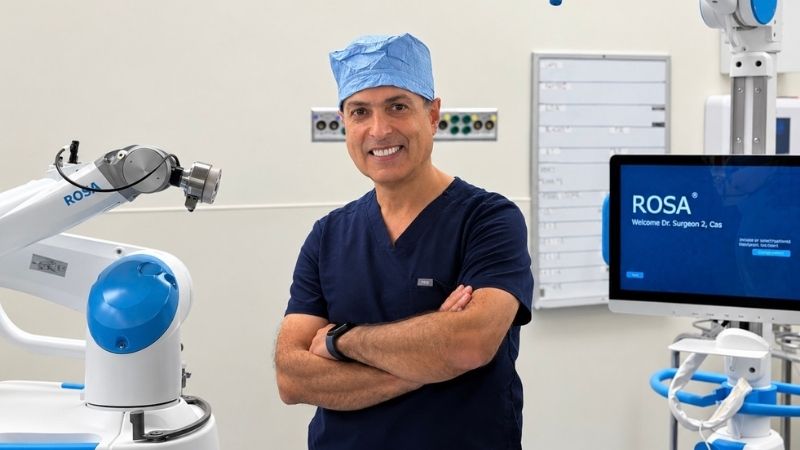 NEWS
NEWS
Copilot said: MemorialCare’s Long Beach Medical Center is the first in South LA County to offer robotic shoulder…
Read More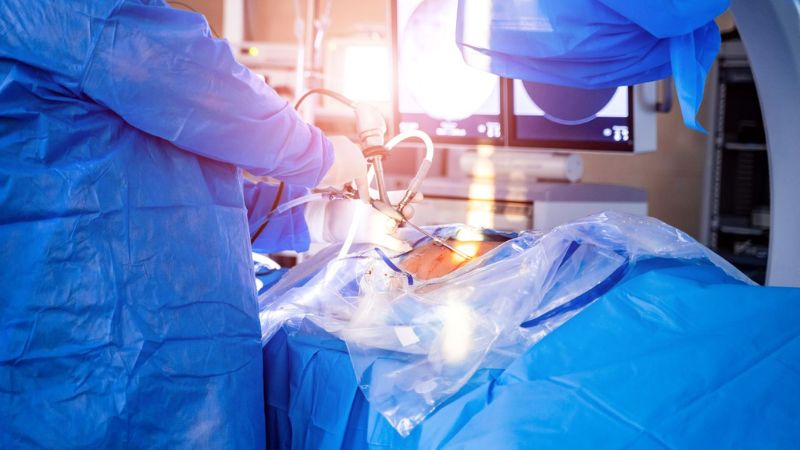 ARTICLE
Discover how advanced robotic spine surgery and navigation technology at MemorialCare Orthopedic & Spine Institute are…
Read More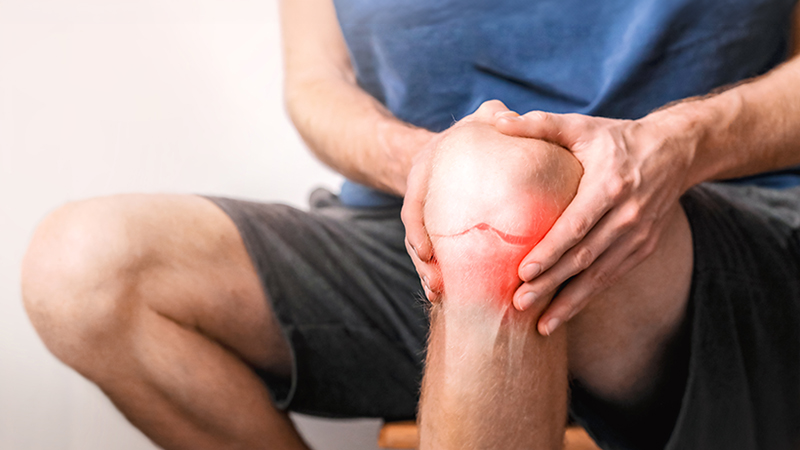 ARTICLE
Joint replacement for seniors can help reduce chronic joint pain, restore mobility and support a more active,…
Read More ARTICLE
MemorialCare Orthopedic & Spine Institute offers personalized spine care, from diagnosis to advanced treatments, using…
Read More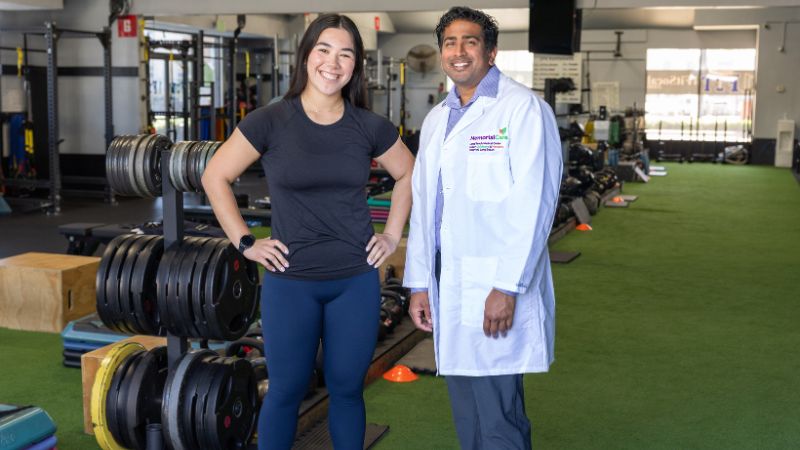 ARTICLE
 ARTICLE
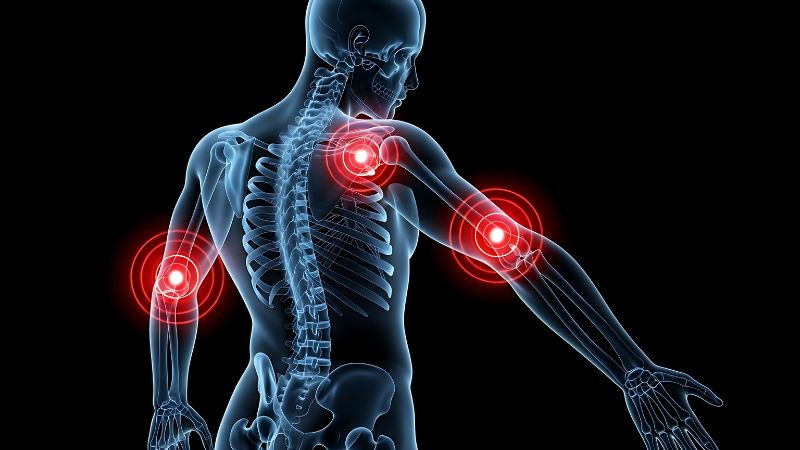
Persistent Shoulder and Elbow Pain: Why MemorialCare Orthopedic & Spine Institute at Long Beach Medical Center Is Your…
Read More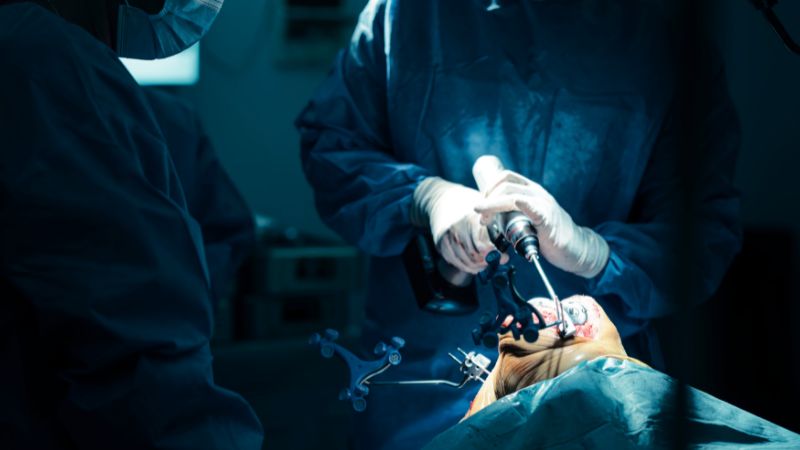 ARTICLE
Mako vs. Traditional Joint Replacement: Key Differences
Read More