Published on Nov. 2, 2026
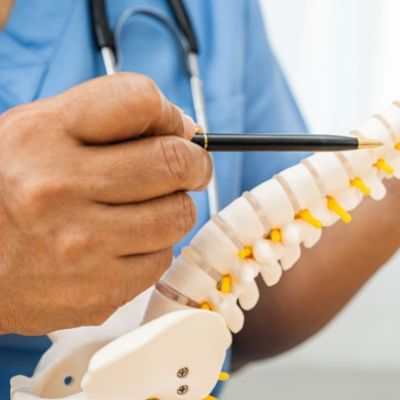
Spinal stenosis is a progressive condition that affects millions of Americans, particularly adults older than 50. It occurs when spaces within the spine begin to narrow, placing pressure on the spinal cord and surrounding nerves. Over time, this can lead to pain, numbness, weakness and difficulty walking. While spinal stenosis often develops gradually, recognizing symptoms early and seeking timely medical care can significantly improve long‑term outcomes.
At the MemorialCare Orthopedic & Spine Institute at Saddleback Medical Center, specialists offer comprehensive diagnostic capabilities and advanced treatment options—including minimally invasive surgery—to help patients maintain mobility and quality of life.
Understanding the Spine and Spinal Stenosis
To understand spinal stenosis, it helps to first look at how the spine functions. The spine is made up of vertebrae, discs, ligaments and nerves that work together to support the body and protect the spinal cord. The spinal canal—an open space that runs through the center of the vertebrae—provides a protective tunnel for the cord and nerve roots.
Spinal stenosis occurs when this canal becomes narrower than normal. As the opening tightens, nerves become compressed, causing symptoms that vary based on the location of the stenosis.
There are two primary types of spinal stenosis:
- Lumbar stenosis: Found in the lower back and the most common form.
- Cervical stenosis: Occurs in the neck and can be more serious because it is closer to the brain and spinal cord.
Less commonly, stenosis can develop in the thoracic spine, although this is rare.
At the MemorialCare Orthopedic & Spine Institute, providers use advanced imaging and neurological evaluations to pinpoint the exact location of nerve compression and determine the best approach to care.
Causes and Risk Factors
Most cases of spinal stenosis are linked to age‑related changes in the spine. As the body ages, structures naturally degenerate, which can gradually reduce the space available for the nerves. Common causes include:
- Osteoarthritis: Wear and tear on the joints can lead to bone spurs that intrude into the spinal canal.
- Herniated discs: Discs that bulge or rupture can press on spinal nerves.
- Thickened ligaments: Ligaments that hold the spine together can thicken over time and encroach on the spinal canal.
- Spinal injuries: Trauma can cause dislocations or fractures that narrow the canal.
- Congenital conditions: Some people are born with a naturally narrow spinal canal.
Your risk increases if you are older than 50, have a history of spine injuries or live with conditions like scoliosis or rheumatoid arthritis.
While aging is the most common cause, we treat patients with stenosis resulting from a wide range of spinal conditions, including those caused by inflammation, trauma and structural abnormalities.
Early Warning Signs to Be Aware of
Spinal stenosis often develops gradually, and symptoms may be subtle at first. Recognizing these early signs is crucial for timely intervention. Common symptoms include:
- Tingling or numbness in the legs, feet, arms or hands.
- Neck or back pain that may radiate to the limbs.
- Weakness in the arms or legs.
- Difficulty walking long distances or standing for extended periods.
- Balance issues or increased risk of falls.
- Relief when leaning forward or sitting down.
Many people with spinal stenosis notice that their pain and pressure ease when they bend forward. This position can slightly open the spinal canal and reduce pressure on the nerves. For example, some people experience relief when leaning forward over a shopping cart.
“Patients with persistent numbness, weakness or difficulty walking should seek an evaluation so their symptoms can be assessed and treated promptly,” says Alvin Chan, M.D., neurosurgeon, MemorialCare Orthopedic & Spine Institute, Saddleback Medical Center. “Providers may use neurological exams and imaging to determine whether spinal stenosis or another condition is causing the symptoms.”

How Spinal Stenosis Is Diagnosed
“At MemorialCare Orthopedic & Spine Institute at Saddleback Medical Center, our specialists begin with a detailed medical history and physical exam to understand each patient’s symptoms and identify the source of their pain,” Dr. Chan. “They assess where the pain occurs, how long it has lasted, how it changes with activity and whether movements such as walking or sitting worsen the discomfort.”
This thorough evaluation helps the care team determine which imaging tests are needed to confirm spinal stenosis and guide next steps. Imaging tests may include:
- X‑rays: Show changes in bone structure and narrowing of the spinal canal.
- MRI scans: Provide detailed images of discs, ligaments and nerve roots.
- CT scans with myelogram: Highlight areas of nerve compression using contrast dye.
In some cases, electromyography (EMG) helps evaluate nerve function and locate the source of compression.
With these diagnostic capabilities available on-site at Saddleback Medical Center, the care team can review the findings together to pinpoint the source of nerve compression and develop a personalized treatment plan based on each patient’s symptoms, test results and goals.
Treatment Options: From Conservative to Surgical
Treatment for spinal stenosis varies depending on symptom severity. Many patients find relief through physical therapies, while others may benefit from minimally invasive surgical procedures performed by MOSI ’s neurosurgeons.
Physical Therapy
Physical therapy is often the first step in treatment. Exercises focus on strengthening the core and back muscles, improving posture and increasing flexibility. Water‑based therapy, such as swimming or aquatic exercise, can reduce pressure on the spine while helping patients build endurance.
Physical Therapists at Saddleback Medical Center create individualized programs to support mobility, ease discomfort and help patients return to daily activities safely.
Medications
Medication may be used to manage pain or inflammation. Options include:
- Nonsteroidal anti-inflammatory drugs (NSAIDs) (e.g., ibuprofen, naproxen) to reduce inflammation.
- Antidepressants for chronic pain management.
- Anti-seizure drugs for nerve pain.
These medicines may be combined with physical therapy to support mobility and reduce discomfort.
Steroid Injections
Epidural steroid injections deliver anti-inflammatory medication directly around irritated nerves. These injections may reduce pain so patients can participate more fully in physical therapy. As part of MemorialCare Orthopedic & Spine Institute’s nonsurgical approach to spine care, affiliated pain management physicians use image guidance to precisely deliver the medication around the affected nerves.
Minimally Invasive Surgery
If conservative treatments do not provide adequate relief, specialists at MemorialCare Orthopedic & Spine Institute may recommend surgery.
“Using minimally invasive techniques, neurosurgeons can perform procedures such as laminectomy or laminotomy through smaller incisions to remove portions of bone or ligament and relieve pressure on affected nerves,” says Dr. Chan. “Compared with traditional open surgery, these approaches may reduce damage to surrounding muscles, blood loss, scarring and recovery time, depending on the patient and procedure.”
In some cases, spinal fusion may be needed to stabilize the spine. MemorialCare Orthopedic & Spine Institute’s spine specialists use advanced minimally invasive techniques to relieve nerve pressure and restore stability while minimizing disruption to surrounding muscles and tissue.
Preventing Long-Term Damage
Timely intervention is essential for protecting long‑term nerve health. When spinal stenosis is left untreated, symptoms such as numbness, tingling or weakness can progress and may eventually lead to irreversible nerve damage. In rare but urgent cases—such as sudden loss of bladder or bowel control—immediate emergency care is critical.
Early diagnosis not only relieves symptoms sooner but also helps prevent the condition from advancing to more severe disability. Patients who begin treatment early often experience better mobility, fewer complications and greater independence as they age.
Strategies for Managing Symptoms and Maintaining Spinal Health
Even after treatment, ongoing self‑care plays an important role in managing symptoms and maintaining long‑term spine health. The following habits may help reduce flare‑ups, support mobility and protect the spine over time:
Exercise Regularly
Low‑impact exercise strengthens the muscles that support the spine and helps maintain flexibility. Activities such as walking, swimming, stationary biking and guided stretching routines are all effective options. Many specialists also recommend the “big three” spine‑stability exercises—the curl‑up, side plank and bird‑dog—which help build core strength and reduce pressure on the lower back.
Maintain a Healthy Weight
Carrying excess weight places additional stress on the spine. Even modest weight loss can lessen pain, improve endurance and reduce inflammation. A balanced diet rich in anti‑inflammatory foods, such as fruits, vegetables, lean proteins and whole grains, can further support joint and nerve health.
Practice Good Posture
Proper body mechanics help protect the spine throughout daily activities. Using ergonomic chairs or workstations, avoiding long periods of sitting or standing and lifting with the legs rather than the back can all prevent strain. Being mindful of posture reduces the likelihood of flare‑ups and long‑term wear on spinal structures.
Be an Active Partner in Your Care

If you are experiencing symptoms of spinal stenosis, speak up about how they affect your mobility and daily life, and ask questions about your diagnosis and treatment options. At MemorialCare Orthopedic & Spine Institute, physicians and care teams listen to each patient’s concerns and help them understand the next steps in their care.
For certain surgical programs, patients are encouraged to choose a family member or friend to serve as a coach throughout surgery and recovery. Patients and their coaches can attend preoperative education classes to learn what to expect, prepare for recovery and better understand the care plan.
Regular follow-ups with the physician or physical therapist also allow the care team to monitor progress, respond to new or worsening symptoms and adjust treatment as needed.
Living Well with Spinal Stenosis
Spinal stenosis is common, but effective treatment can relieve nerve pressure, restore function and help patients return to the activities that matter to them. Recognizing symptoms such as tingling, weakness or difficulty walking and seeking care promptly can make an important difference in long-term mobility and quality of life.
At MemorialCare Orthopedic & Spine Institute, patients have access to comprehensive spine care, from physical therapy, medication and pain management to advanced minimally invasive surgery when needed. The institute brings together specialized expertise, personalized support and advanced technology in the comfortable, familiar setting of Saddleback Medical Center.
This coordinated approach helps patients understand their options and move forward with a treatment plan designed around their needs and goals. Learn more about the MemorialCare Orthopedic & Spine Institute at Saddleback Medical Center.
Medically Reviewed By:
Alvin Chan, M.D., neurosurgeon, MemorialCare Orthopedic & Spine Institute, Saddleback Medical Center
About Alvin Chan, M.D.:
Dr. Alvin Chan is a fellowship-trained neurosurgeon at MemorialCare Orthopedic & Spine Institute at Saddleback Medical Center. He specializes in minimally invasive spine surgery, cranial and spine trauma, and functional neurosurgery. Dr. Chan earned his medical degree from the Medical College of Wisconsin and completed his neurosurgical residency at UC Irvine, where he served as chief resident. He has published over 70 journal articles and book chapters, with a focus on spine research and socioeconomic topics in neurosurgery.
