Published on Jun. 23, 2026
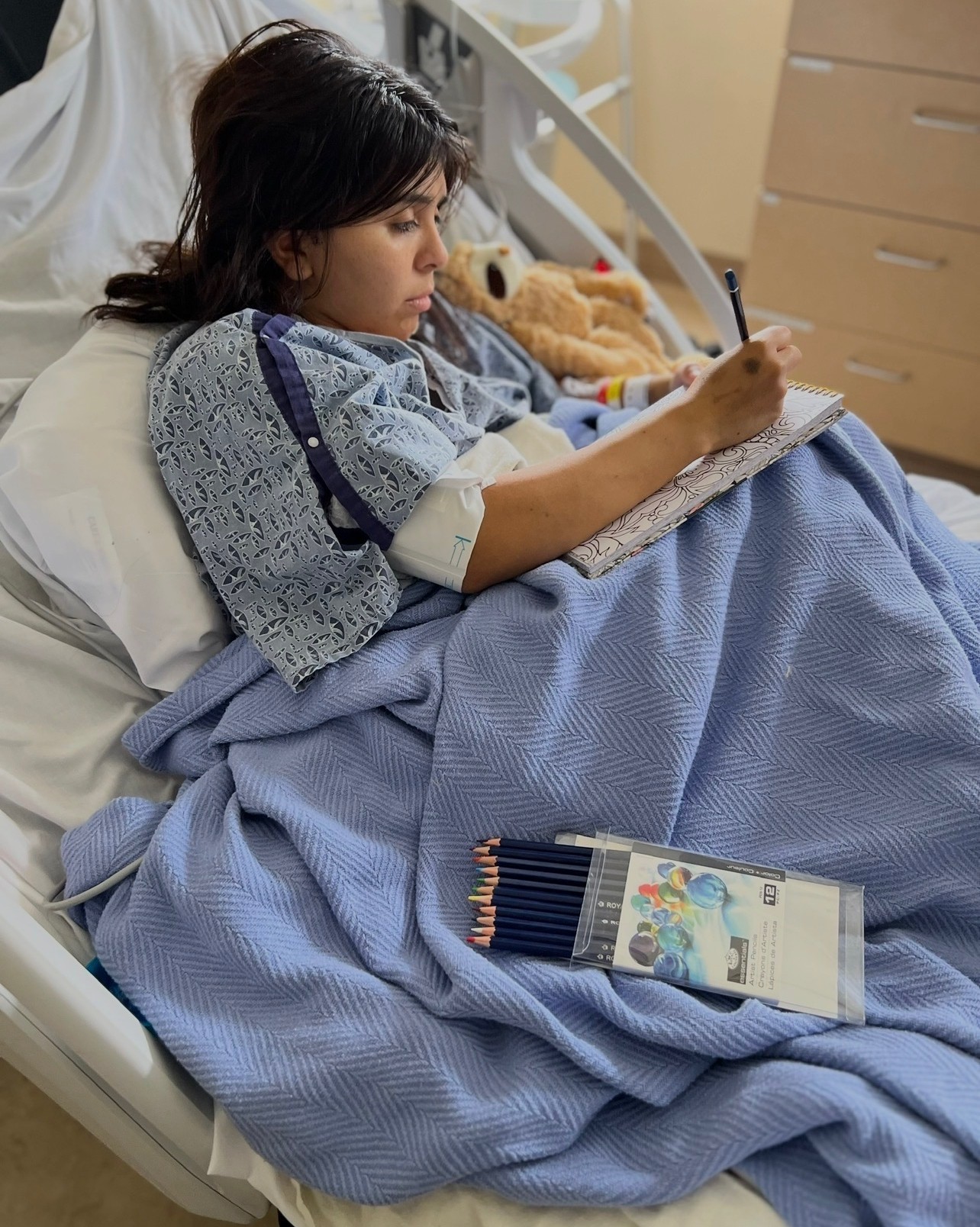
What began as a routine night shift quickly became a fight for life in the early hours for 30-year-old Mayra Briones, RN. While caring for pediatric patients in the Long Beach Medical Center Emergency Department, Mayra developed what she described as the worst headache of her life. As the pain intensified, she experienced blurred vision and nausea. Assuming it might be related to low blood sugar, she took a lunch break, hoping food and a few moments of rest would help.
Despite not feeling well, she returned to her nursing pod, determined to push through and continue caring for her patients. Upon returning, she volunteered to help a physician translate for a Spanish-speaking patient experiencing nausea, headache and blurred vision.
“Suddenly, I realized I was experiencing the exact same symptoms as the patient,” Mayra said. Moments later, she became sick and increasingly confused. Her coworkers immediately recognized that something was wrong and escorted her to an empty patient room, assessed her condition and quickly activated emergency care.
A Code Stroke was called, and imaging revealed a right temporal lobe hemorrhage caused by an arteriovenous malformation, a congenital abnormality in the blood vessels of the brain. The diagnosis came as a shock.
“Learning that I had an AVM was surreal,” Mayra said. “The doctors explained that I had been born with it and had lived my entire life without knowing it was there. I was a healthy 30-year-old nurse working my normal night shift. I never imagined something like this could happen to me.”
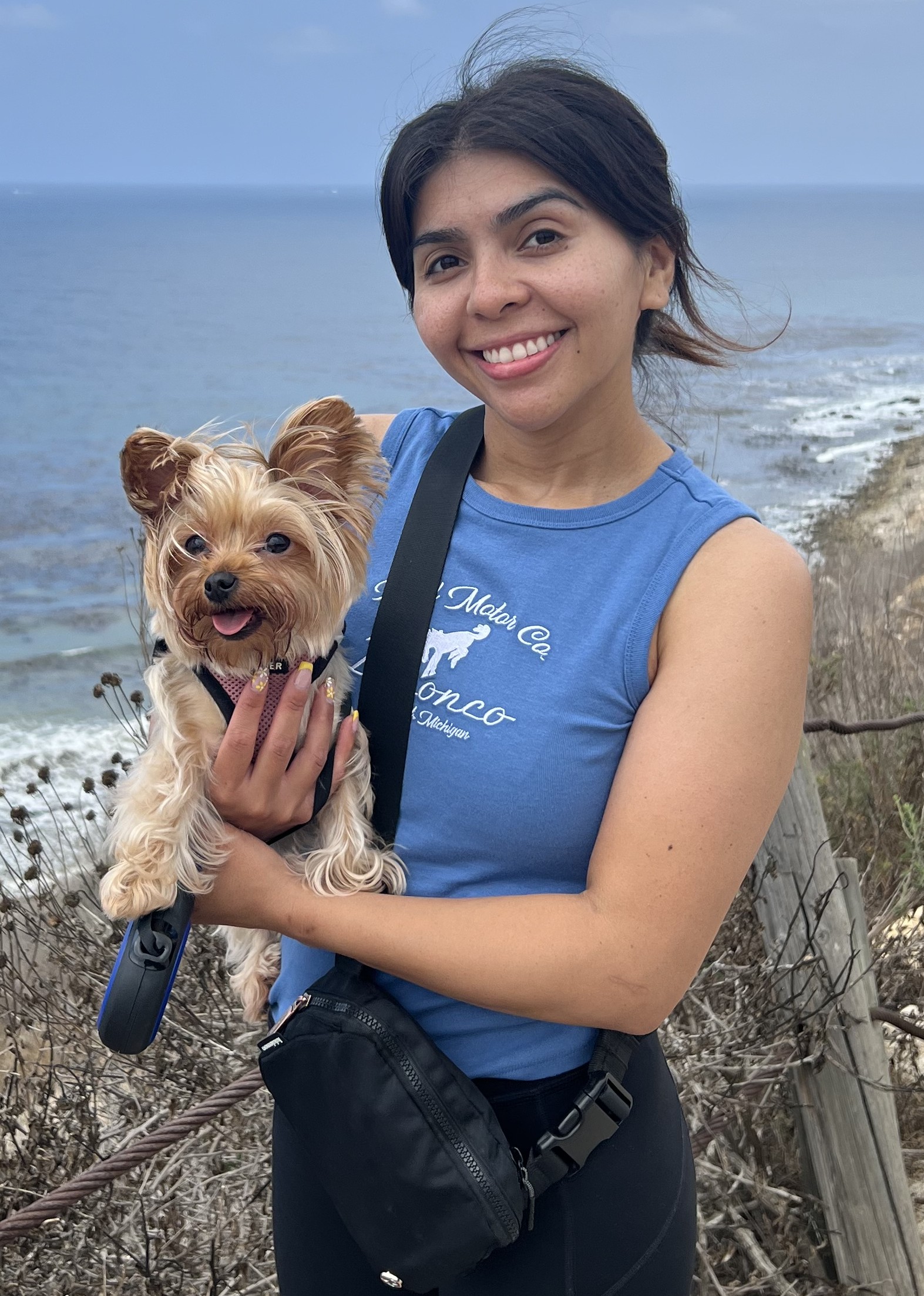
“I remember hearing the word ‘stroke,’ and it hit me all at once,” she said. “I kept praying and thinking, ‘I’m not ready to die. I have so much more to do.”
Her physicians also shared something she has never forgotten: despite the terrifying circumstances, she was in the best possible place when it happened.
Mayra underwent emergency brain surgery to remove the ruptured AVM and evacuate the hemorrhage caused by the bleed, marking the beginning of a long and challenging recovery.
Mayra’s care team moved swiftly. Dr. Sheri Palejwala, neurosurgeon, Dr. Banafsheh Yafeh, neurologist, Dr. Peter Milano, emergency medicine specialist, and countless nurses, therapists and support staff worked together to guide her through treatment and the extensive recovery that followed.
After surgery, Mayra faced cognitive challenges, including hearing loss, balance issues and difficulties with speech and memory, leaving her with gaps in both childhood and adult memories and the difficult reality of mourning memories she can no longer recall. Through months of rehabilitation, she worked closely with her physical therapy team to relearn many daily tasks.
“I had to relearn how to walk, talk and drive again,” she said. “Even things like tying my shoes, telling time and counting money became challenges.”
Today, Mayra has completed rehabilitation and returned to work on modified duty. While she continues to manage chronic headaches and ongoing follow-up care, she views her experience as a profound second chance. “Even the hard moments are laced with purpose and proof of grace,” she said.
“Going through this deepened my understanding of vulnerability and resilience,” she said. “I’ve learned to mourn the old version of myself and cherish who I am now. Every day feels sacred.”
Her experience has also transformed the way she cares for patients.
“As a nurse, I now understand what it feels like to be completely dependent on others. I know how vulnerable patients can feel, and it’s made me even more committed to providing compassionate care and reassuring them that it’s OK to ask for help.”
- Mayra
Today, she credits her recovery to the support of her faith, the unwavering support of her boyfriend, love of her family, her incredibly supportive care team, and the quick actions of her colleagues and coworkers who helped save her life.
“I’m still standing,” she said. “Maybe not in the same way I was before, but I’m here. And that’s a miracle.”