Published on July 27, 2026
For millions of Americans living with atrial fibrillation (AFib)—an irregular heart rhythm linked to fatigue, shortness of breath and stroke—new advances are making treatment more precise, personalized and less invasive than ever before. At MemorialCare Heart & Vascular Institute, patients have access to the latest innovative therapies designed to restore normal heart rhythm and reduce stroke risk close to home.
Among the most significant advances is pulsed field ablation (PFA). Unlike traditional ablation techniques that use heat or cold to treat abnormal heart tissue, PFA uses targeted electrical pulses, allowing electrophysiologists to treat the areas responsible for irregular rhythms while helping reduce risk to surrounding structures, including the esophagus, pulmonary veins and nearby nerves.
“Pulsed field ablation uses a process called electroporation, in which high-energy electrical pulses selectively disrupt the heart tissue responsible for AFib,” said Ashish Shah, D.O., electrophysiologist and cardiologist, MemorialCare Heart & Vascular Institute, Saddleback Medical Center. “For patients, that can mean a more efficient procedure and greater confidence that we’re protecting the structures around the heart while restoring a normal rhythm.”
Supporting these advances is AI-driven 4-D imaging technology, which gives physicians a real-time view of the beating heart during treatment. Rather than relying only on static images or traditional mapping, specialists can use advanced visualization to better understand each patient’s anatomy, guide catheter movement and confirm treatment areas with greater confidence.
For patients, these advances support a more personalized approach to care. Some may benefit from ablation to help control irregular rhythms, while others may need treatment focused on reducing stroke risk.
For those who cannot tolerate long-term blood thinners or don’t want to be on medication for the rest of their life, MemorialCare Heart & Vascular Institute offers minimally invasive options such as the WATCHMAN Implant, a small implant that helps prevent blood clots from forming and traveling to the brain.
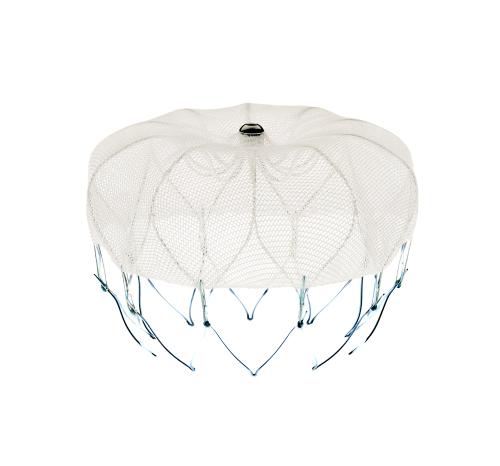
“WATCHMAN represents a more targeted approach,” said Lu Chen, M.D., electrophysiologist and cardiologist, MemorialCare Heart & Vascular Institute, Orange Coast Medical Center. “Instead of affecting the body’s entire clotting system with long-term blood thinners, WATCHMAN closes the part of the heart where most AFib-related clots form, in appropriately selected patients.”
Patients with longstanding or more complex AFib often have abnormal electrical signals that are more difficult to eliminate with a single treatment approach. Hybrid ablation combines minimally invasive surgery with catheter-based ablation, allowing specialists to treat the heart from both the outside and inside to target more of the areas driving the arrhythmia and improve long-term rhythm control.
“One of the biggest advances in AFib care has been moving beyond a one-size-fits-all approach,” said Natasha Cuk, M.D., electrophysiologist and cardiologist, MemorialCare Heart & Vascular Institute, Long Beach Medical Center. “We can now tailor treatment based on a patient’s stroke risk, bleeding risk and overall health. For eligible patients with more advanced AFib, hybrid ablation offers a comprehensive approach that can improve the chances of long-term rhythm control.”
MemorialCare Heart & Vascular Institute brings next-generation AFib care and stroke prevention to patients close to home, combining advanced technology, specialized expertise and capabilities that are miles ahead.
Medically Reviewed By:
- Ashish Shah, D.O., electrophysiologist and cardiologist, MemorialCare Heart & Vascular Institute, Saddleback Medical Center
- Lu Chen, M.D., electrophysiologist and cardiologist, MemorialCare Heart & Vascular Institute, Orange Coast Medical Center
- Natasha Cuk, M.D., electrophysiologist and cardiologist, MemorialCare Heart & Vascular Institute, Long Beach Medical Center
Last reviewed July 2026.