Published on Oct. 19, 2026
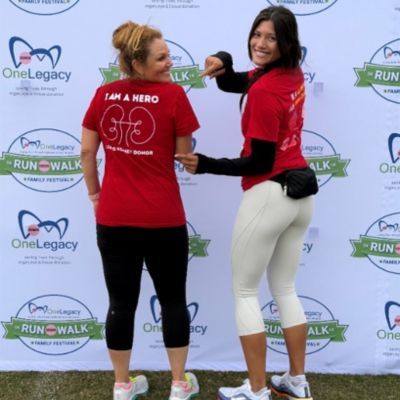
Heart ultrasound technician Tiffaney Cordova has spent nearly two decades helping patients at MemorialCare Heart & Vascular Institute at Orange Coast Medical Center during important heart tests and procedures. When her older brother, John, needed a kidney transplant after years of living with kidney disease, her role as a caregiver became deeply personal.
For Tiffaney, the decision came down to one thing: If she had a chance to give her brother more time, better health and hope for the future, she was going to take it.
John first learned he had kidney disease in his 20s after dealing with repeated infections. Doctors told him he would likely one day need dialysis — a treatment that helps clean the blood when the kidneys cannot — or a kidney transplant. Years later, when that day came, Tiffaney volunteered before he ever had to ask.
“For me, it wasn’t even a question,” Tiffaney said. “I help care for patients every day at work. Why wouldn’t I help my own brother?”
Once she made the decision, Tiffaney turned her attention to preparing for surgery. As a marathon runner, she focused on getting as healthy as possible. Still, one question lingered: Would she still be able to run and live the way she always had?
“I was worried about whether I’d be able to run again with one kidney,” she said. “But I started researching and found communities of kidney donor athletes doing incredible things, even ultramarathons. That reassured me that I could do this.”
Months of medical evaluations confirmed Tiffaney could safely donate a kidney. As the surgery date approached, her family and colleagues helped steady her.
At home, some of the most meaningful reassurance came from her children. As a mother of four, Tiffaney had worried about what donating a kidney could mean if one of her children ever faced a health challenge. Then, the night before surgery, her son said something she would never forget.
“The night before surgery, my son told me what I was doing was honorable,” Tiffaney said. “He said he would do the same for his siblings. That meant everything to me and took away my fear.”
Her colleagues at Orange Coast Medical Center found their own way to support her. In the days before surgery, Tiffaney’s colleagues from MemorialCare Heart & Vascular Institute surprised her with a send-off filled with kidney-themed decorations, small gifts and words of encouragement.
“They threw me a big pep rally before my surgery,” Tiffaney said. “Everyone kept telling me, ‘You’ve got this.’ It made such a difference.”
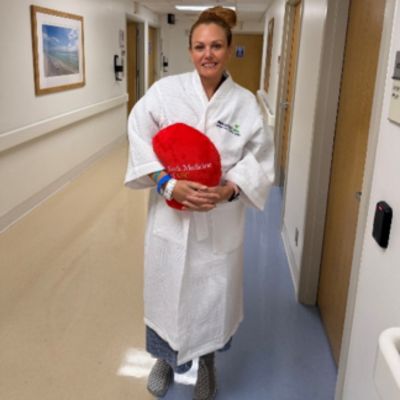
When surgery day arrived, Tiffaney wore the MemorialCare robe her teammates had given her — a simple reminder that her work family was with her, too.
On March 11, 2026, Tiffaney had surgery at another hospital in the community where John had been receiving care. Doctors determined she and John were an especially strong match, which helped support his recovery after transplant.
Since then, Tiffaney has returned to running and the routines she loves. She continues to run marathons and connect with other kidney donor athletes, raising awareness with every finish line she crosses.
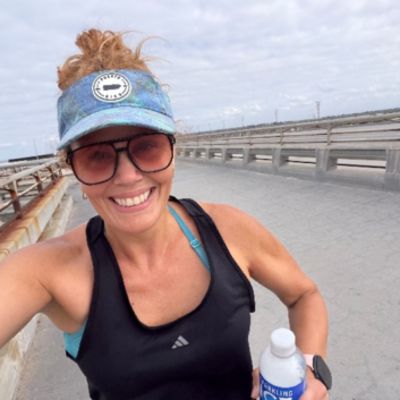
“I feel completely normal,” she said. “As long as I stay hydrated and take care of myself, I can do everything I did before.”
Her experience also opened her eyes to how many people are waiting for an organ donation — and how much living donation can help patients waiting for a transplant. According to OneLegacy and national organ donation data, kidneys make up the largest share of the transplant waiting list, and patients may wait years for a match.
“Living donations make such a difference,” Tiffaney said. “You can help save someone’s life without keeping you from living your own.”
MemorialCare patients can sign up to become organ donors in the MyChart portal. Non-MemorialCare patients can sign up through Donate Life.