Published on May 15, 2020
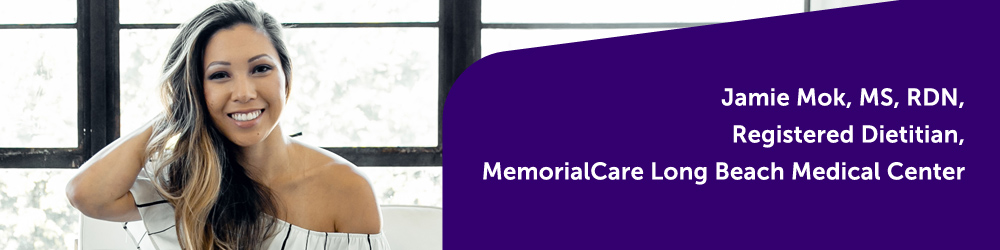
According to the Centers for Disease Control and Prevention (CDC), up to 80% of strokes may be preventable through healthy lifestyle changes. One of the most effective ways to reduce stroke risk is by maintaining a balanced, heart-healthy diet.
The foods you eat can directly affect important stroke risk factors, including:
- High blood pressure
- High cholesterol
- Diabetes
- Heart disease
- Obesity
By making healthier food choices, you can support your cardiovascular health and help protect both your heart and brain.
How Diet Affects Stroke Risk
An unhealthy diet can contribute to conditions that increase the likelihood of stroke.
Making small dietary changes today can help improve your long-term health and reduce the risk of developing serious medical conditions in the future.
Foods to Limit or Avoid for Stroke Prevention
Certain foods and ingredients can negatively impact blood pressure, cholesterol levels, blood sugar, and overall cardiovascular health.
Refined Sugar
Refined sugar is commonly found in:
- Soda
- Candy
- Cookies
- Cakes
- Sweetened beverages
Excessive consumption of refined sugar can:
- Increase triglyceride levels
- Lower HDL (good) cholesterol
- Contribute to weight gain
- Increase cholesterol levels
Over time, these effects may raise stroke and heart disease risk.
Trans Fats
Trans fats are often found in:
- Fried foods
- Shortening
- Commercial baked goods
- Pastries
Trans fats can:
- Increase LDL (bad) cholesterol levels
- Promote plaque buildup in arteries
- Increase the risk of heart disease and stroke
Saturated Fats
Foods high in saturated fat include:
- Red meat
- Processed meats
- Full-fat dairy products
- Coconut oil
- Palm oil
Excess saturated fat intake may contribute to:
- Insulin resistance
- Elevated blood sugar levels
- High cholesterol
- Metabolic syndrome
Metabolic syndrome is a combination of conditions that can include obesity, high blood pressure, high cholesterol, and Type 2 diabetes, all of which increase stroke risk.
Excess Sodium
While sodium is a naturally occurring nutrient, large amounts are commonly found in:
- Processed foods
- Canned foods
- Restaurant meals
- Fast food
Too much sodium can lead to:
- Fluid retention
- Elevated blood pressure
- Increased stroke risk
Reducing sodium intake is an important step toward maintaining healthy blood pressure levels.
Healthy Foods That Support Stroke Prevention
A stroke-prevention diet focuses on nutrient-rich foods that support heart and blood vessel health.
Increase Your Fiber Intake
Adults should aim to consume 25 to 35 grams of fiber per day.
Good sources of fiber include:
- Whole grains
- Fruits
- Vegetables
- Legumes
- Nuts
- Seeds
- Low-fat dairy products
Fiber can help improve cholesterol levels, support digestive health, and promote heart health.
Eat More Fruits and Vegetables
Fruits and vegetables are packed with antioxidants and phytochemicals that help reduce inflammation and combat free radicals, which are naturally occurring molecules that can damage cells.
Benefits of Fruits and Vegetables
Regular consumption may help:
- Lower blood pressure
- Reduce inflammation
- Support heart health
- Improve overall wellness
Adults should aim for at least four to five servings of fruits and vegetables each day.
Choose Healthy Fats
Replacing saturated fats with polyunsaturated fats may help:
- Lower cholesterol
- Reduce blood pressure
- Decrease triglycerides
- Lower the risk of blood clots
Foods Rich in Polyunsaturated Fats
Include more of these heart-healthy foods in your diet:
- Oily fish
- Flax seeds
- Walnuts
- Sunflower oil
- Safflower oil
- Grapeseed oil
Additional Healthy Eating Habits for Stroke Prevention
Small adjustments to daily eating habits can make a significant difference over time.
Consider These Simple Nutrition Tips
- Eat eggs and low-fat dairy products in moderation.
- Choose whole-grain breads, cereals, and pastas.
- Replace butter with olive oil or avocado oil.
- Add nuts and seeds to snacks and meals.
- Choose lean sources of protein.
- Incorporate more plant-based proteins such as beans, peas, and lentils.
Include More Omega-3-Rich Fish
Aim to eat oily fish at least twice per week, such as:
- Salmon
- Mackerel
- Trout
- Herring
- Anchovies
- Sardines
These fish contain heart-healthy fats that support cardiovascular and brain health.
Small Changes Can Have a Big Impact
Healthy eating doesn't require drastic changes. Replacing processed foods with nutrient-rich options and limiting ingredients such as sodium, refined sugar, trans fats, and saturated fats can help reduce stroke risk over time.
When combined with other healthy habits such as regular exercise, stress management, and routine medical care, a balanced diet can play an important role in protecting your heart and brain.
When Every Minute Counts
While prevention is the best defense against stroke, immediate treatment is critical if a stroke occurs.
MemorialCare Long Beach Medical Center is a Joint Commission Certified Comprehensive Stroke Center, providing advanced care to quickly assess and treat patients experiencing a stroke.
Taking steps to improve your diet today can help lower your risk tomorrow and support a lifetime of better health.